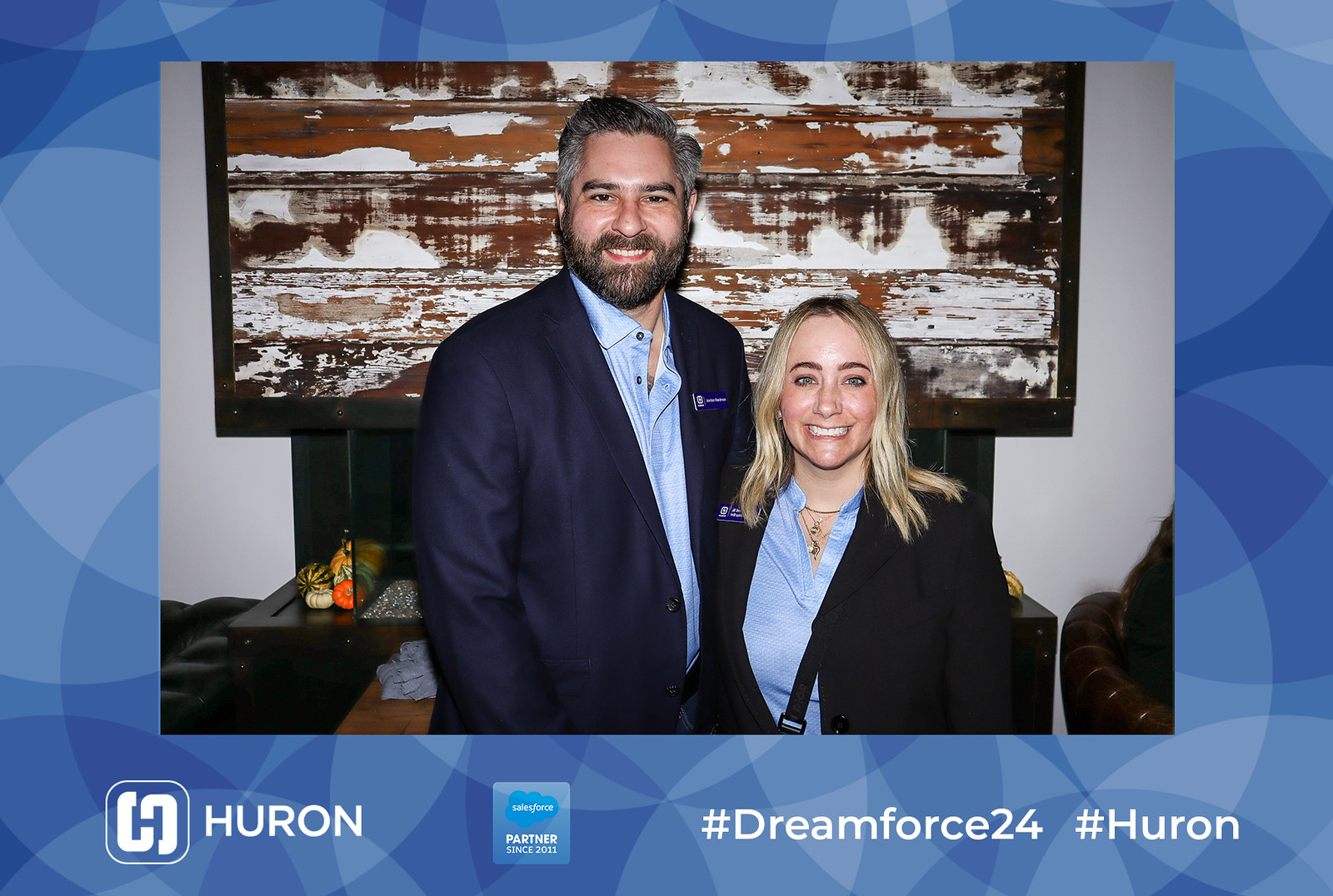
An interactive trade show photo experience can give attendees a reason to stop, participate and leave with useful content. Its value depends on the audience, creative brief and event operations. Set a clear objective, choose an appropriate format and measure documented results instead of promising a fixed increase in booth traffic.
One, Two, Smile! Photobooth plans corporate photo booth experiences around the event scope. For a trade show, that includes the exhibit footprint, service schedule, staffing, branding, delivery and any agreed data collection.
Start with the attendee takeaway
What will make participation useful or enjoyable for this audience? A professional headshot experience offers a portrait guests may use for work. A glam portrait station creates a coordinated keepsake. A 360 video booth creates a motion-based moment that needs its own operating area.
Match the format to the reason people are attending. Review sample outputs and confirm session instructions, delivery timing and staffing for the exact setup. Don’t assume that a named technology includes every feature shown in another package.
Connect the creative to the brand
Build the visual direction around one campaign idea. Coordinate the setting, booth graphics and output template so the result makes sense when viewed away from the event. Keep logos and key messages legible without covering guests.
An AI photo booth may suit a brief that calls for an approved themed transformation. Confirm sample outputs, processing, connectivity and guest instructions. If the brief requires AR product models, a live mosaic, a leaderboard or another specialized capability, request a demonstration and confirm scope before treating it as included.
Plan the exhibit flow
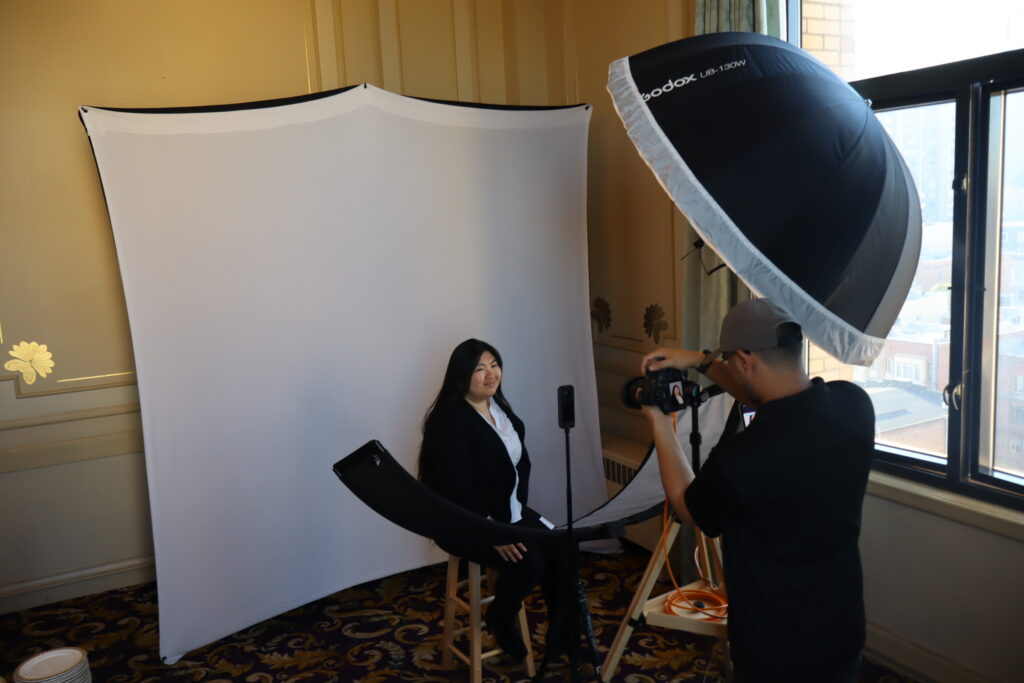
Work from the assigned exhibit plan and organizer requirements. Identify the operating area, queue, guest entry and exit, power, internet connection and equipment access. Leave room for guests who choose not to participate, and keep conversations from blocking the experience or neighboring exhibits.
For San Francisco corporate events, share the venue and room details early. For other stops on your event schedule, confirm access and production needs separately rather than assuming the first venue’s plan applies everywhere.
Agree on the service hours and staffing. The all-digital booth is a self-operated, drop-off format; other experiences have different operating needs. If you need several stations, discuss the combined guest flow and responsibilities in the proposal.
Separate delivery from lead capture
Sending a photo and adding someone to a marketing list are different actions. If the campaign includes lead capture, agree on the purpose, optional consent wording, fields collected, data access, retention and follow-up responsibilities.
A CRM connection is not assumed. Confirm the actual integration or export method, field mapping and test process before the event. Don’t promise automatic Salesforce, HubSpot or other system updates unless that workflow is part of the approved setup.
Similarly, offline capture, queued uploads and AI processing have different technical requirements. Verify which functions work without a connection and what happens when connectivity returns. No single offline claim should be applied to every format.
Measure the right results
- Participation: Completed sessions, with the counting method explained.
- Content: Photos or videos created and delivered, where reporting supports it.
- Contacts: Valid opt-in records, separate from delivery details.
- Public activity: Identifiable guest posts and available platform analytics.
- Business outcomes: Qualified conversations, follow-up or conversions measured through an agreed attribution process.
Our photo booth sharing and metrics guide explains why these counts should stay separate. A percentage traffic increase requires a comparable baseline and a documented measurement method; it is not a standard package result.
Review evidence and scope
Use named event case studies to evaluate relevant creative and operating experience. Ask what was delivered, how the setup worked and which outcomes are documented. A successful example helps inform a brief but does not guarantee the same performance for another audience.
For a broader campaign, review our brand activation planning page. Send the event dates, venue, exhibit size, audience and desired output when you request a custom trade show quote.