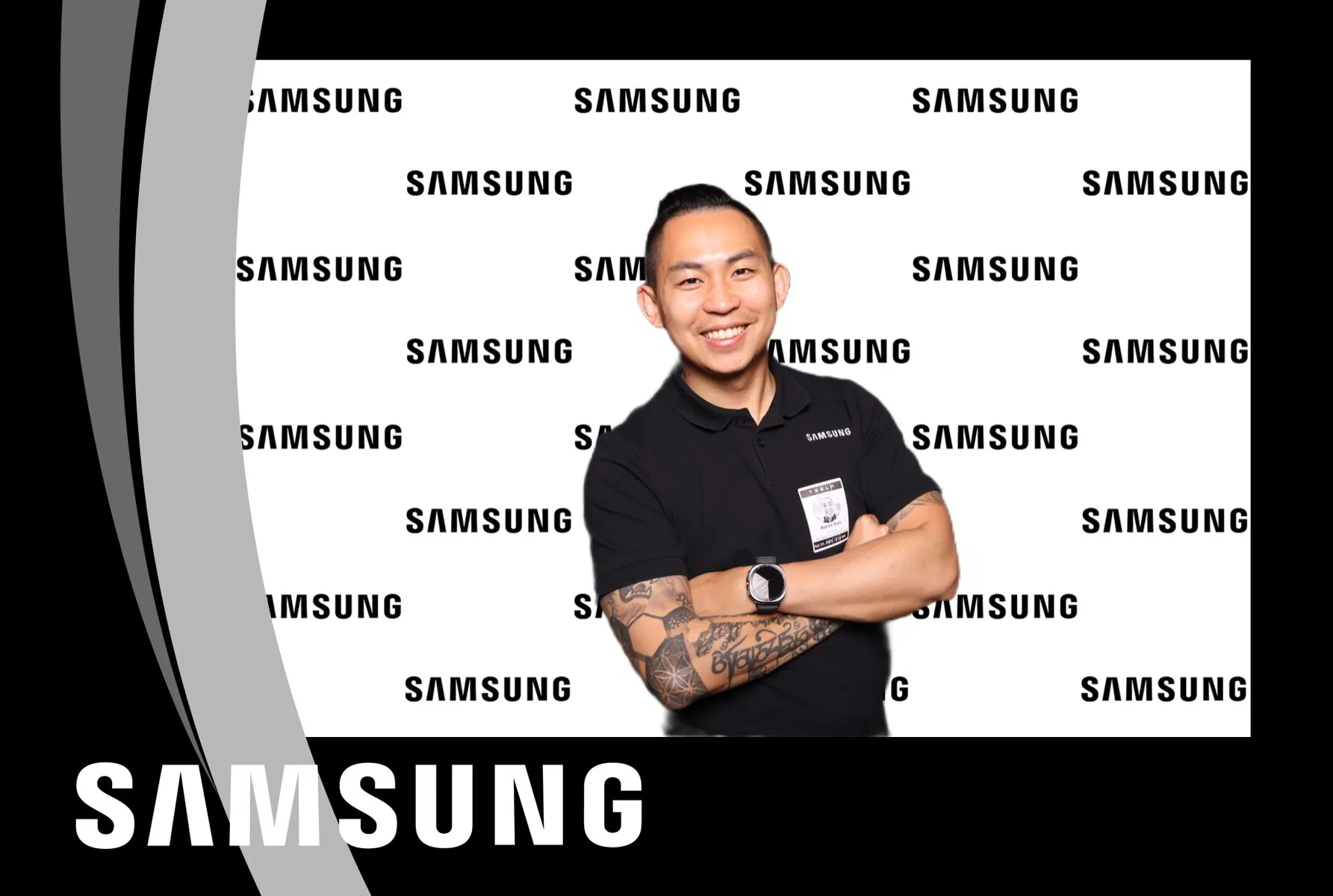
A custom photo booth supports brand storytelling when the setting, guest interaction and finished image communicate the same idea. Start with the message you want people to remember, then choose the format and creative details that express it. A logo alone doesn’t define the experience.
At One, Two, Smile! Photobooth, our brand activation photo experiences can bring together physical design, approved photo or video treatments and guest delivery. The exact combination depends on the event brief and agreed production scope.
1. Define the story
Write a short brief that identifies the audience, event purpose and main message. A product launch might focus on a new capability. An employee event might celebrate a milestone. A conference activation might give attendees a useful takeaway connected with the sponsor.
Choose one primary objective before discussing features. Decide whether success means participation, delivered content, opt-in contacts or another measurable action. These measures are different and should be reported separately.
2. Build the visual system
Connect the approved brand colors, typography, logo placement and campaign assets across the setting and final output. Depending on the format, the scope may include a backdrop, booth graphics, a start screen, photo or video overlays and a delivery screen.
Choose the capture format for the story. A Vogue photo booth creates a distinctive lit environment. An AI portrait experience can connect guests with an approved themed transformation. A 360 video booth makes movement part of the result. Confirm capabilities and sample outputs for the specific proposal.
Keep important graphics legible on a phone and leave enough room for guests in the composition. Approve samples before production and agree on a process for revisions.
3. Design the guest journey
Plan what guests see as they approach, what they are asked to do, how the capture works and how they receive the result. The instructions should make sense without a long explanation. Confirm the queue, operating area, staffing, service window and connectivity with the venue and production team.
For a self-operated format, a branded digital photo booth can provide a drop-off capture point. Other formats have different staffing needs. Don’t assume that one operating model applies to every experience.
Receiving a file and publishing it to a social account are separate actions. Guests decide whether to post. Keep any marketing opt-in distinct from the information needed for photo delivery, and agree on the wording and data handling before the event.
4. Plan the finished content
Specify which outputs are included: still images, short videos, looping clips, prints or an event gallery. A GIF or Boomerang format creates a different asset from a branded glam portrait. Choose the output that suits the intended use.
Confirm image-use permissions, delivery timing, file access and any agreed reporting. If a campaign needs public-post or reach measurements, decide in advance which platform data is available. Multiplying guests by follower counts does not establish actual reach, impressions or return on investment.
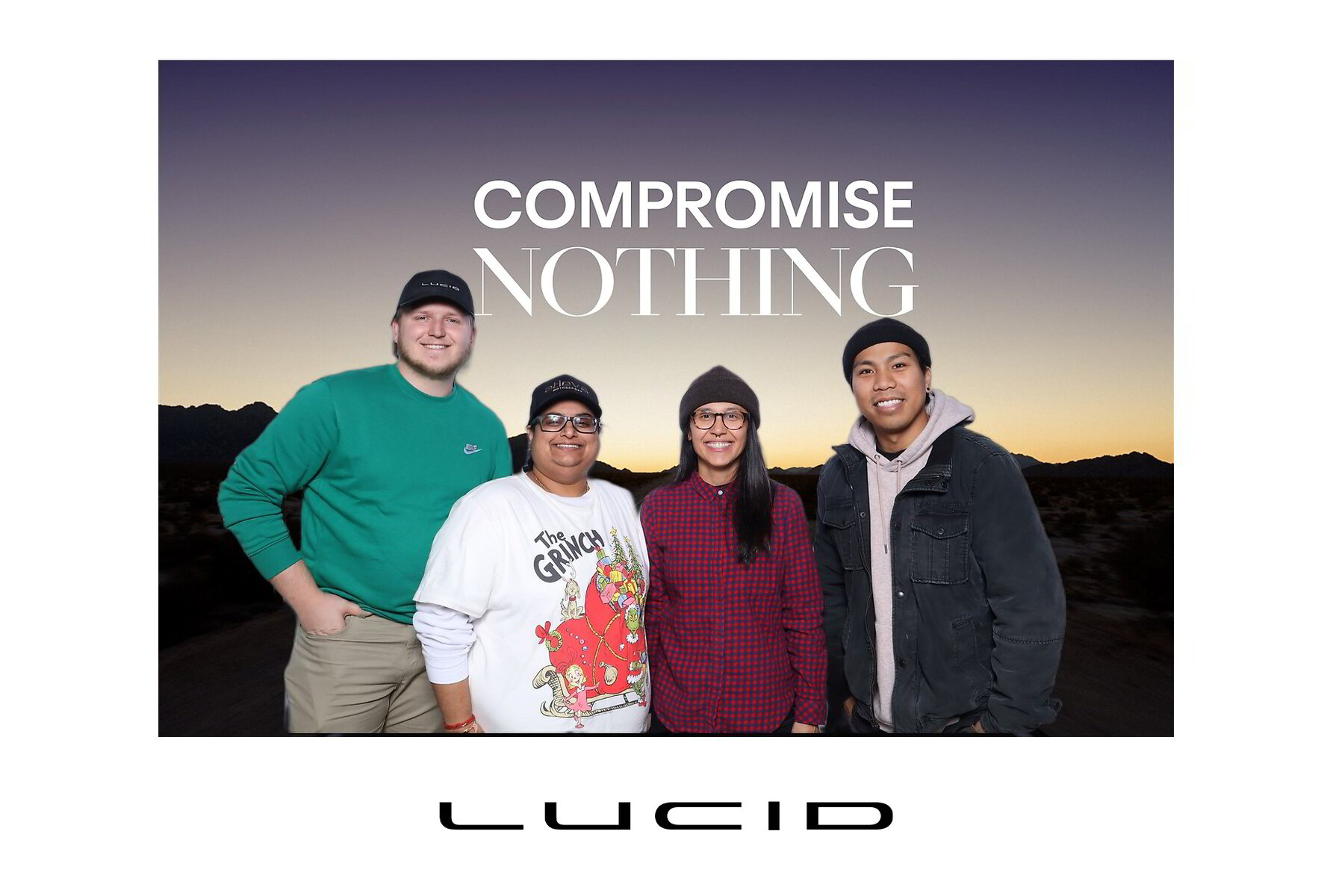
Example: xTool’s U.S. launch
For the xTool U.S. branch launch, the Vogue Booth connected an LED environment, brand visuals and photo/video capture with the launch’s creative identity. Guests could move and pose within the setting, and the output included custom branding.
The useful lesson is the relationship between the physical scene and the delivered content. The experience reflected the company’s visual direction at both stages. The case documents the setup and creative execution; it doesn’t establish a guaranteed social reach, advertising cost saving or conversion rate for another event.
Review the production brief
- Message: What should a guest understand or remember?
- Format: Which capture method and output support that message?
- Branding: Which physical and digital assets need approval?
- Operations: Who manages the experience and how will guests move through it?
- Delivery: What will guests and the client receive, and when?
- Measurement: Which results can be documented with the agreed tools?
Our corporate event photo booth page explains the planning scope. Share your campaign, date, venue and desired takeaway when you request a custom activation quote.